
Welcome
Thank you for visiting our website. If you’re here, you may be grieving the loss of someone important to you. Grief can feel overwhelming, unpredictable and deeply personal. There is no right or wrong way to grieve, and no set timeline for when you may need support.
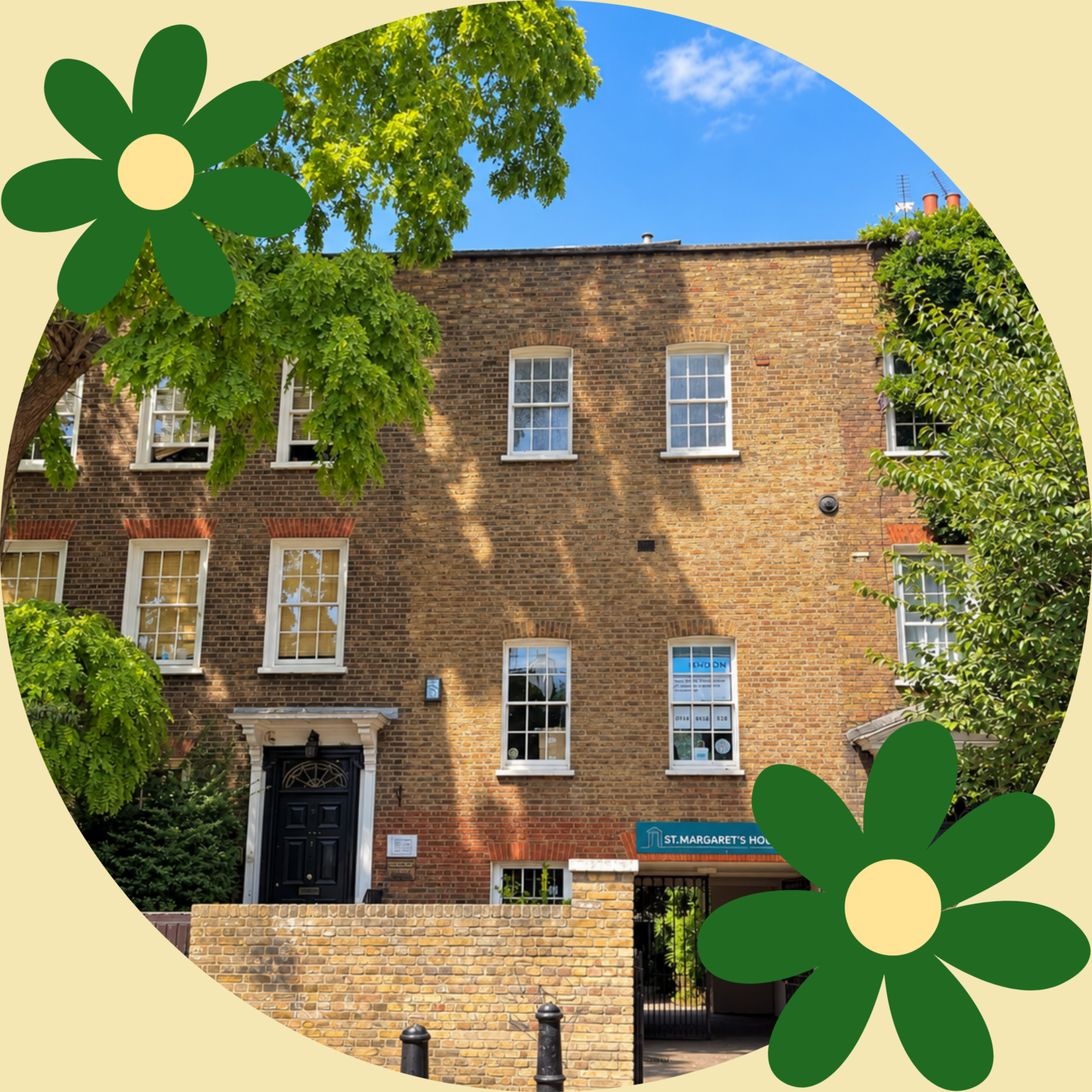
The City and East London Bereavement Service (CELBS) is a community-based charity in Tower Hamlets. We offer specialist counselling and support to help you through your grief whenever you’re ready. Whether your loss was recent or many years ago, we are here to listen, support and walk alongside you.
“The pain of grief is just as much part of life as the joy of love: it is perhaps the price we pay for love, the cost of commitment.”
Our founder, Colin Murray Parkes
Who can use our service?

One-to-one counselling
Up to 12 free sessions with a trained bereavement counsellor, at a pace that suits you.

Early bereavement
Up to four flexible sessions in the first weeks and months after a loss, for emotional and practical support.

Monthly Grief Café
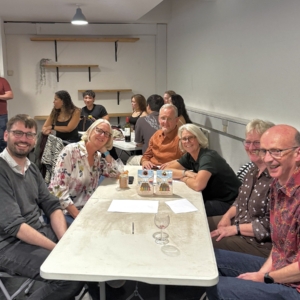
A free monthly gathering for anyone in our area to meet others who understand. Booking is needed.
Community events
Walks, runs, bake sales and more, bringing people together and supporting our work.
How to get support
1. Get in touch
Call us on 020 3022 5177 or email admin@celbs.org.uk. Your GP or another health professional can also refer you.
2. We take some details
We will ask for some basic information and offer you a counselling assessment.
3. We find the best fit for you
We will arrange the support that suits you, such as counselling, early bereavement support, Grief Café, or signposting to another service.
Our team
Counsellors
CELBS volunteer counsellors are either qualified or in training. All volunteer counsellors have attended a specialist, assessed CELBS induction training and have demonstrated that they meet the high standards required to be a CELBS volunteer counsellor.
Clinical Lead
Sheridan is our clinical lead and has been associated with CELBS since 2014. Sheridan is a BACP Accredited Counsellor and a Clinical Supervisor and has extensive experience managing and leading third sector organisations.
Clinical Supervisors
As part of our professional commitment, our Counsellors meet with their qualified clinical supervisor twice a month. This allows the counsellor to reflect in depth about all aspects of their practice in order to work as effectively, safely and ethically as possible.
Trustees
The Charity is overseen by our Board of Trustees which is led by Catherine. Trustees are the people responsible for controlling the work, management and administration of the charity on behalf of its beneficiaries.
“I am passionate about the work CELBS does. It’s a much needed service, and working for a small, specialist independent charity allows us to stay client focused, ensuring we are flexible and truly able to offer a service to many who otherwise may not get the support they need. I have seen, first hand, on numerous occasions the positive impact it has for clients.” – Sheridan, Clinical Lead
Understanding grief
Grief is a natural response to losing someone. There is no right or wrong way to grieve and no set timetable. Everyone’s grief is different, shaped by who they have lost, the relationship they had and what else is happening in their life.
The five stages of grief
You may have heard of the five stages of grief. They were first described by psychiatrist Elisabeth Kübler-Ross, and many people find them a helpful way to put words to what they are feeling. They are not a checklist and they do not happen in order. You might feel some of them, all of them or none, and they can come and go many times.
Denial. Feeling numb or finding it hard to believe the loss is real. This can protect us from feeling everything at once.
Anger. Feeling angry at the situation, at other people, at yourself or even at the person who has died.
Bargaining. Going over “what if” and “if only” thoughts and wishing things could have been different.
Depression. Deep sadness, emptiness or longing as the reality of the loss sinks in. This is a normal part of grieving and is different from clinical depression.
Acceptance. Learning to live with the loss. This does not mean forgetting or getting over it. It means finding a way to carry it with you
How grief can affect your body
Grief is not only emotional. It can affect you physically too. You might notice
- tiredness and exhaustion
- trouble sleeping, or sleeping much more than usual
- changes in appetite
- headaches, aches and pains
- a tight or heavy feeling in your chest
- feeling anxious, restless or on edge
- difficulty concentrating or remembering things
- catching colds and minor illnesses more easily
These reactions are normal. If they are severe, do not ease over time or you are worried about your health, speak to your GP.


